


Your cart is currently empty!
How to Choose Hiking Shoes or Boots

Choosing the right hiking shoes or boots is a decision that can significantly impact your overall outdoor experience. The right footwear can mean the difference between a comfortable, enjoyable hike and a painful, exhausting one. With so many options available today, it becomes essential to understand what to look for in hiking footwear, ensuring that your choice aligns perfectly with your hiking plans, terrain, and personal comfort.
Understanding Your Hiking Needs
Before diving into the specifics of hiking shoes versus boots, it’s crucial to assess your individual hiking needs. The first step is to consider the type of hikes you’ll be undertaking. Are you planning short, casual strolls on well-maintained paths, or are you gearing up for long treks through rugged terrain? For gentle trails, lightweight shoes or trail runners may suffice, providing breathability and agility. However, if your adventures lead you through rocky, uneven landscapes or require carrying a heavy backpack, a sturdy pair of hiking boots with excellent ankle support is essential.
Moreover, consider the climate and season in which you’ll be hiking. If you anticipate wet conditions, waterproof boots are invaluable. Conversely, in hotter climates, breathable materials are key to keeping your feet cool and dry. Understanding these elements will help streamline your choices and lead you to the right footwear that caters specifically to your hiking adventures.
Material Matters: Finding the Right Fabric
When it comes to hiking shoes and boots, the material plays a pivotal role in performance and comfort. Most hiking footwear is constructed from either leather or synthetic materials, each offering distinct advantages.
Leather
Leather is known for its durability and long-term wear, providing robust protection against the elements. It is an excellent option for rugged terrains, ensuring your feet remain shielded from sharp rocks and roots. However, leather takes longer to break in and can be less breathable compared to other materials.
Synthetic
Synthetic materials, such as nylon or polyester, offer a lighter option that is often more breathable and quick-drying, making them ideal for warmer climates. They also tend to be more flexible right out of the box, reducing the break-in period. However, they may not provide the same level of protection as leather in extremely rugged conditions.
GORE-TEX
GORE-TEX which is a breathable waterproof material. The advantage of GORE-TEX shoes is that it will keep your feet dry in wet conditions. The downside is that it is more expensive and less breathable compared with non-waterproof shoes.
Soles and Traction: The Path to Stability
The sole of your hiking shoes or boots is another critical component that deserves attention. The outsole, the bottom part of the shoe that directly contacts the ground, needs to provide excellent traction to prevent slips and falls. Look for a shoe with a deep lug pattern, which offers better grip on uneven surfaces. Vibram soles are highly regarded in the hiking community for their durability and traction, making them a reliable choice for serious hikers.
Additionally, consider the midsole cushioning, which absorbs shock and adds comfort during long hikes. A well-cushioned midsole can help protect your joints by reducing the impact from hard surfaces. For those who hike frequently or carry heavier loads, investing in footwear with superior cushioning can lead to a more enjoyable experience on the trails, enhancing your endurance and performance significantly.
Fit is Fundamental: Ensuring Comfort and Support
No matter how high-quality your hiking shoes or boots are, if they don’t fit properly, they can lead to discomfort and even injury. Ensure there’s ample room in the toe box—about the width of a finger—so your toes have space to move, especially on downhill hikes.
Pay attention to how the shoes feel around your ankles and heels; excessive rubbing can lead to blisters and chafing over time. A well-fitted shoe should allow for movement but remain snug enough to prevent any slipping. Additionally your heel should feel secure and not lift out while walking.
Moreover, consider the arch support that each shoe provides. Some hikers may require additional support for flat feet or high arches, and investing in custom insoles can make a significant difference in long-term comfort.
When testing out a new pair at the shop, it is advisable to wear the same pair of socks you are planning to wear for hiking. This way you will get the best fit. Walk around the store for a few minutes to see if you feel any discomfort.
In conclusion, selecting the perfect hiking shoes or boots is a multifaceted process that requires thoughtful consideration of your hiking habits, the terrain you’ll encounter, and the materials that best suit your needs. By understanding the nuances of fit, material, and traction, you can confidently choose footwear that will support you through every adventure. With the right shoes or boots, you’ll not only enhance your hiking experience but also ensure that each step you take is a step towards discovering the beauty of the great outdoors.
Related Products
Men’s Hiking Shoes & Boots
-
 Keen Targhee IV Waterproof Hiking Shoe (Men) – Magnet/BlackRM 829.00
-
 Keen Targhee IV Mid Waterproof Hiking Boots (Men) – Tumbled JavaRM 859.00
-
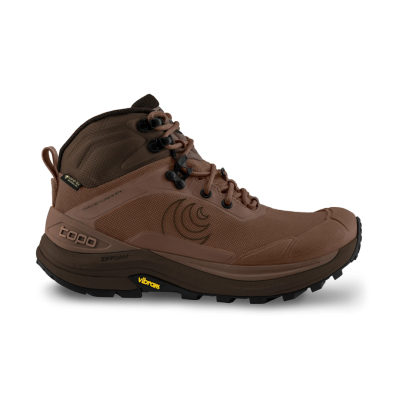 Topo Athletic Trailventure 3 Gtx Hiking Shoe (Men) – Brown/BlackRM 1,100.00
-
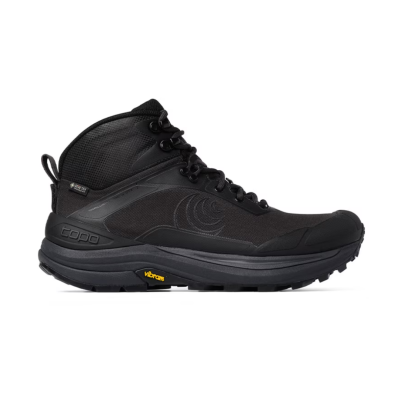 Topo Athletic Trailventure 3 Gtx Hiking Shoe (Men) – Black/BlackRM 1,100.00
-
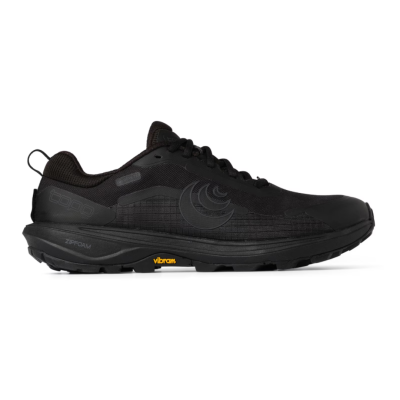 Topo Athletic Terraventure 5 Gtx Trail Running Shoe (Men) – Black/CharcoalRM 890.00
-
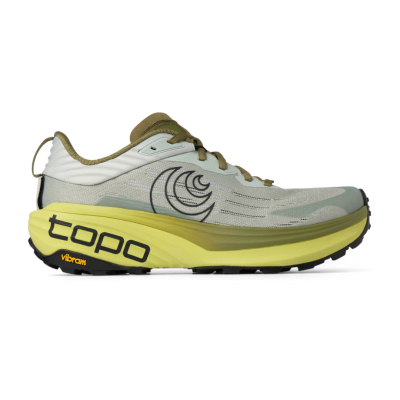 Topo Athletic Vista Trail Running Shoe (Men) – Green/BlackRM 830.00
Women’s Hiking Shoes & Boots
-
 ALTAI 6″ Waterproof Hiking Boots with Zipper – Black (MFT200-ZS)RM 899.00
-
 ALTAI 6″ Waterproof Hiking Boots with Zipper – Brown (MFH200-ZS)RM 899.00
-
 ALTAI BOOSTER Z (Zipper) – Black (BSR-Z-BK)RM 969.00
-
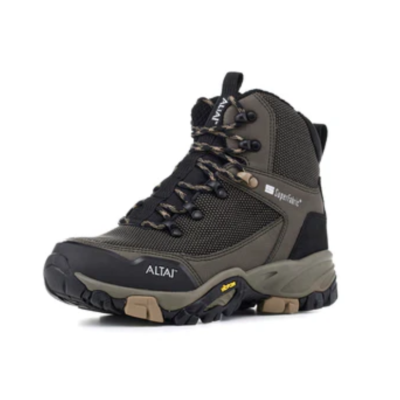 ALTAI BOOSTER Z (Zipper) – Brown (BSR-Z-BR)RM 969.00
-
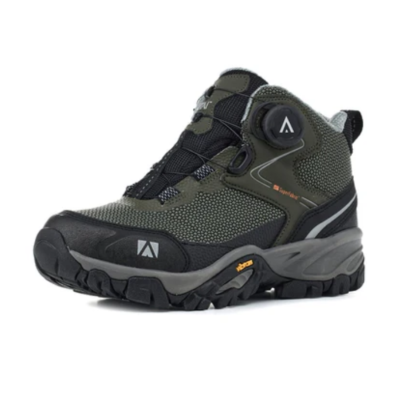 ALTAI VOLCANO Dial-mid KHAKI (VCO-DM-KH)RM 899.00
-
 Keen Targhee IV Mid Waterproof Hiking Boots (Women) – Tumbled ChocolateRM 859.00
-
 Lafuma Alpic Clim Mid Hiking Shoe (Women) – AsphalteRM 729.00
-
 Lafuma Ruck Mid Gtx Hiking Shoe (Women) – SesameRM 1,049.00
-
 Millet Everest Summit Goretex Mountaineering Boots – Unisex (Red)RM 6,500.00
[ back to main ]
Shop XNOCS
About Us
Contact Us
Store Location
FAQs
Points FAQ
Social Media Agreement
Membership
Track Your Order
Logout
Business Hours
Daily 10am to 7pm
Contact Info
Call: +603-2287-1118
Fax: +603-2287-1119
Email: customercare@xnocs.com
Shop Location
No.34 (Ground Floor),
Jalan Telawi 5,
59100 Bangsar Baru,
Kuala Lumpur.
Google Maps Location 
QR Code for Touch ‘n Go Payments

Hiking Shop Petaling Jaya Outdoor Shop Petaling Jaya Altra Lone Peak Deuter Backpack Kailas Fuga Topo Athletic Trail Running Shoes Tilley Hiking Hats and Caps Yamatune 5 toe compression socks Vibram FiveFingers KL Malaysia Trail Running Tips 10 Best Trail for Trail Running in Klang Valley How to Choose Hiking Shoes or Boots 10 Permit-Free Hiking Trails in Klang Valley Shoe Gaiters Teva Hiking Sandals Petzl Climbing Gears Crampons Yamatune socks Deuter Hiking Backpacks Day Hiking in Malaysia GPS watch for hiking Suunto GPS Watch for Hiking Suunto Race S Hiking GPS Watch Victorinox Swiss Army Knife Developed by Dennis Woo

© XNOCS — Owned by Yellowstone Sdn Bhd. (772432-A). All Rights Reserved
X

