


Your cart is currently empty!
Hiking Essentials for a Day Hike

Hiking Essentials for a Day Hike
Hiking is an exhilarating way to connect with nature, offering an escape from the hustle and bustle of daily life. However, to ensure that your experience is both enjoyable and safe, having the right hiking gear is paramount. This article will delve into the hiking essentials for a day hike, focusing on ten crucial items that will enhance your journey and keep you prepared for anything that nature throws your way.
1. The Foundation: A Small Backpack
A small backpack (between 18 to 30 Liters) for your day hike serves as the cornerstone of your hiking gear. It is not merely a vessel for carrying your essentials; it’s an extension of your adventure. When selecting a backpack, consider one that offers adequate space without being cumbersome. Look for features such as adjustable straps, breathable materials, and compartments for organization. A well-fitted backpack distributes weight evenly across your body, minimizing strain and enhancing your comfort over long distances. Moreover, a small backpack should be lightweight yet durable, allowing you to carry your gear without feeling bogged down.
2. Step Right: Hiking Footwear
Investing in the right hiking footwear is crucial for your safety and comfort. Proper hiking shoes or boots provide traction, support, and protection against uneven terrain. Depending on the difficulty of your hike, you may choose between lightweight trail runners for well-maintained paths or sturdy boots for rugged trails. It’s essential to break in your footwear before your hike to avoid blisters and discomfort.
-
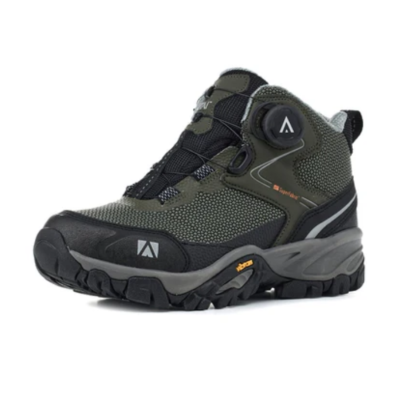 ALTAI VOLCANO Dial-mid KHAKI (VCO-DM-KH)RM 899.00
3. Comfort is Key: Hiking Socks
While often overlooked, hiking socks play a vital role in your hiking experience. They are designed to wick moisture away and provide cushioning, which helps prevent blisters. Merino wool and synthetic materials are popular choices as they offer warmth and breathability. It’s advisable to wear socks that extend above your ankle to prevent debris from entering your footwear. The right socks can mean the difference between a comfortable trek and a painful journey, so take the time to choose a pair that complements your footwear.

4. Stay Hydrated: Water Bottle
Hydration is essential when hiking, making a reliable water bottle a non-negotiable item on your gear list. Depending on the length of your hike, you may need a bottle that holds enough water to keep you hydrated throughout your journey. Stainless steel and BPA-free plastic bottles are popular options due to their durability and ease of cleaning. For longer hikes, consider hydration reservoirs that can be easily accessed without stopping. Remember, staying hydrated not only keeps you energized but also aids in maintaining focus and preventing fatigue.

5. Support and Stability: Hiking Poles
Hiking poles are a fantastic addition to your gear, providing extra support and stability, especially on steep or uneven terrain. They help distribute weight and reduce strain on your knees and joints, making them particularly beneficial during descents. When choosing hiking poles, look for adjustable ones made from lightweight materials such as aluminum or carbon fiber. As you navigate through challenging areas, the added balance and security they offer can significantly enhance your hiking experience.
-
 Lafuma Izoard Pair Hiking PolesRM 599.00
6. Illumination: Headlamp
A headlamp is an essential piece of gear for any hiker, enabling you to navigate in low-light conditions. Whether you’re setting off early in the morning or returning late in the evening, a reliable headlamp provides hands-free illumination, allowing you to focus on your surroundings. Choose a headlamp with adjustable brightness settings and a long battery life. Additionally, ensure it is lightweight and comfortable to wear, as you may find yourself using it for extended periods. With a good headlamp, you can confidently explore trails that may otherwise be daunting after dark.
-
 Ledlenser MH5 Headlamp (Black/Grey)RM 278.00
-
 Petzl e+LITE® HeadlampRM 208.00
7. Safety First: First Aid Kit
Accidents can happen, even on the most well-planned hikes. Carrying a well-stocked first aid kit is essential for addressing minor injuries and ensuring your safety. Your kit should include items such as adhesive bandages, antiseptic wipes, gauze pads, pain relievers, and blister treatment. Familiarize yourself with the contents of your kit and how to use each item before heading out. In addition to personal items, consider including a basic first aid manual for reference if needed. Being prepared for emergencies can provide peace of mind and allow you to focus on enjoying your hike.
8. Be Heard: Whistle
A whistle is a small yet powerful tool that can be invaluable in emergency situations. It serves as a means of signalling for help if you become lost or injured. Whistles are lightweight and can easily be attached to your backpack or worn around your neck for quick access. The sound of a whistle carries much farther than your voice, making it an effective way to alert others to your location. Incorporating this simple item into your gear can enhance your safety, ensuring you have a reliable way to call for assistance when needed.
-
Windstorm Safety WhistleRM 49.00

9. Fuel Your Adventure: Snacks
Having a stash of snacks is crucial for maintaining your energy levels during your hike. Opt for lightweight, high-energy options that are easy to carry and consume on the go. Trail mix, energy bars, dried fruit, and jerky are excellent choices that provide essential nutrients without weighing you down. Eating small amounts throughout your hike can prevent fatigue and keep your spirits high as you explore the great outdoors. Remember to balance indulgent snacks with healthier options to ensure you’re fueling your body effectively for the journey ahead.
10. Guard Against the Elements: Sun Protection
Protecting yourself from the sun’s harmful rays is essential when spending extended periods outdoors. Sunburn can quickly turn a delightful hike into a painful experience. Applying a broad-spectrum sunscreen with an SPF of at least 30 is crucial, even on cloudy days. Additionally, consider wearing hiking hats like a wide-brimmed hat and UV-blocking sunglasses to shield your face and eyes. Lightweight, long-sleeved clothing made from breathable materials can also offer protection while keeping you comfortable. By taking these precautions, you can enjoy your hike without the worry of sun-related health issues.
In conclusion, equipping yourself with the right hiking essentials can make all the difference in your outdoor adventures. From a reliable backpack to appropriate footwear, each item plays a vital role in ensuring your comfort and safety. As you prepare for your next hike, remember that thoughtful planning and the right gear can set the stage for unforgettable experiences in nature. Embrace the journey, stay safe, and enjoy every moment of your hiking adventures.
[ back to main ]
Shop XNOCS
About Us
Contact Us
Store Location
FAQs
Points FAQ
Social Media Agreement
Membership
Track Your Order
Logout
Business Hours
Daily 10am to 7pm
Contact Info
Call: +603-2287-1118
Fax: +603-2287-1119
Email: customercare@xnocs.com
Shop Location
No.34 (Ground Floor),
Jalan Telawi 5,
59100 Bangsar Baru,
Kuala Lumpur.
Google Maps Location 
QR Code for Touch ‘n Go Payments

Hiking Shop Petaling Jaya Outdoor Shop Petaling Jaya Altra Lone Peak Deuter Backpack Kailas Fuga Topo Athletic Trail Running Shoes Tilley Hiking Hats and Caps Yamatune 5 toe compression socks Vibram FiveFingers KL Malaysia Trail Running Tips 10 Best Trail for Trail Running in Klang Valley How to Choose Hiking Shoes or Boots 10 Permit-Free Hiking Trails in Klang Valley Shoe Gaiters Teva Hiking Sandals Petzl Climbing Gears Crampons Yamatune socks Deuter Hiking Backpacks Day Hiking in Malaysia GPS watch for hiking Suunto GPS Watch for Hiking Suunto Race S Hiking GPS Watch Victorinox Swiss Army Knife Developed by Dennis Woo

© XNOCS — Owned by Yellowstone Sdn Bhd. (772432-A). All Rights Reserved
X

