


Your cart is currently empty!
Cold Weather Layering
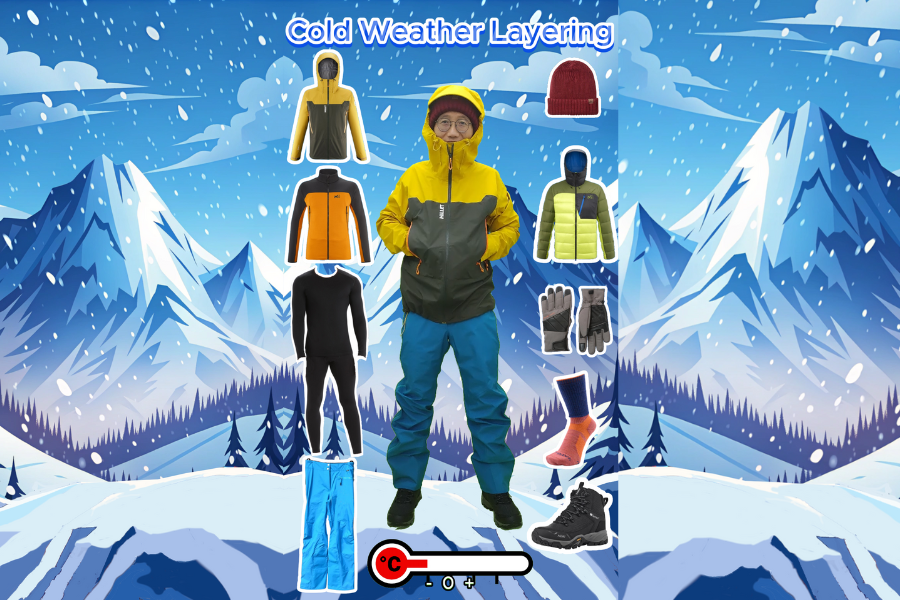
The three-layer cold weather layering system is an effective way to manage temperature, moisture, and comfort in cold weather. Perfect for Mount Kinabalu, Mount Rinjani, Annapurna Base Camp (ABC), Everest Base Camp (EBC) and other high altitude mountaineering activities.
The three layers are:
What is a base layer?
A base layer is the foundational layer of clothing worn directly against the skin in a winter layering system. It is basically the layer of clothing next to the skin layer
The idea is that it keeps your skin dry by wicking moisture away so when you are sweating the base layer wicks the sweat away from your body resulting in keeping you dry and warm.
Ideally a base layer should be light, comfortable, warm, wicks moisture away from the skin and dry quickly.
Key Features of the Base Layer
- Moisture Wicking:
Wicks the sweat away from your skin to keep you dry and warm. - Thermal Regulation:
Helps to maintain your body temperature by trapping warmth while allowing excess heat to escape. - Comfort and Fit:
Typically made from soft, stretchy materials that provide a snug fit without restricting movement. - Breathability:
Allows moisture vapor to escape, reducing the risk of overheating during physical activities. - Quick Drying:
Dries faster than cotton, keeping you comfortable even if you sweat. - Lightweight:
Designed to be lightweight and easily layered under other clothing without adding bulk.
Materials used
Generally the two most common material used in base layer are merino wool or synthetic like polyester, nylon, or polypropylene. Do avoid cotton whenever possible as cotton tends to absorb the sweat and takes a longer time to dry resulting in making you feel cold and wet.
Below are the characteristics of merino wool and synthetic base layers:
Merino wool
Merino wool is a popular choice for base layers due to its unique characteristics. Here are some key features:
- Moisture-Wicking:
Effectively draws moisture away from the skin, keeping you dry during physical activities. - Temperature Regulation:
Provides insulation in cold conditions while remaining breathable in warmer environments, helping regulate body temperature. - Odor Resistance:
Naturally resists odors due to its ability to wick moisture and its antibacterial properties, allowing for multiple wears without smelling. - Softness and Comfort:
Fine fibers make it soft against the skin, reducing itchiness often associated with traditional wool. - Natural and Sustainable:
Sourced from sheep, merino wool is a renewable resource and biodegradable, making it an eco-friendly choice.
Synthetic
Synthetic material base layers have distinct characteristics that make them suitable for various activities. Here are some key features:
- Moisture-Wicking:
Designed to effectively pull sweat away from the skin to the fabric’s surface, keeping you dry during intense activities. - Quick Drying:
Synthetic materials dry much faster than natural fibers, making them ideal for activities in wet conditions or for quick changes. - Lightweight:
Generally lighter than natural fabrics, which makes them easy to pack and comfortable to wear during physical activities. - Durability:
Synthetic fibers are often more resistant to wear and tear, making them suitable for rugged outdoor activities. - Breathability:
Many synthetic materials offer good ventilation, allowing for airflow to help regulate body temperature. - Stretch and Flexibility:
Typically have a good amount of stretch, providing freedom of movement and a snug fit. - Affordability:
Generally more budget-friendly than natural fibers like merino wool, making them accessible for a wide range of users.
Related Products
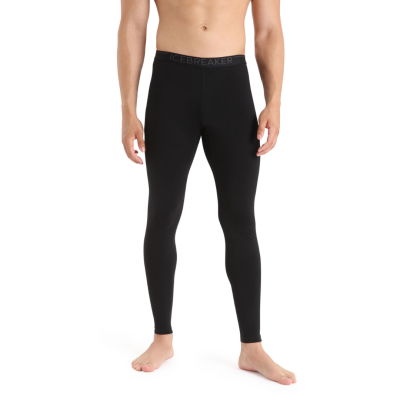
Men’s Base Layer
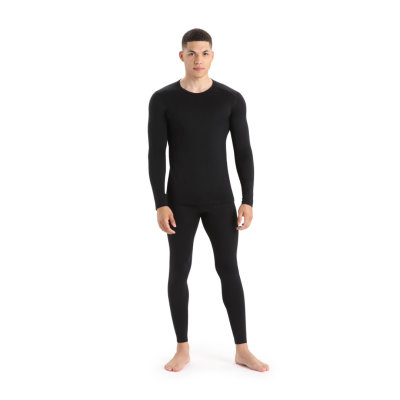
Women’s Base Layer


What is a Mid Layer?
When dressing for winter activities, choosing the right mid layer is crucial for comfort and performance.
The mid layer function is to keep the body heat in and acts as insulation. It traps warm air close to your body while still allowing moisture to escape. This layer is critical for maintaining warmth without adding too much bulk.
The whole idea of having the mid layer is to insulate the heat from escaping in order to keep your core warm.
A popular choice as a mid layer would be a vest as it provides greater mobility to your arms while keeping your body warm.
Key Features of the Mid Layer
- Insulation:
Keeps you warm by trapping heat. - Breathability:
Allows moisture to escape while keeping you warm. - Layering Flexibility:
Can be added or removed based on activity level and temperature changes. - Less Technical Materials:
The materials used can be less technical such as fleece, flannel, down and synthetic.
Materials used
Below are some common materials used in mid layer along with their properties and applications:
Fleece
- Properties:
Lightweight, breathable, and moisture-wicking. - How It Works:
Fleece traps air within its fibers, providing excellent insulation without adding much weight. It also wicks moisture away from the skin. - Uses:
Commonly used in jackets, pullovers, and vests for casual wear and outdoor activities.
Down
- Properties:
Exceptional warmth-to-weight ratio and compressibility. - How It Works:
Down insulation consists of the soft, fluffy feathers found under the outer feathers of ducks and geese. It traps heat effectively but loses insulation ability when wet unless treated. - Uses:
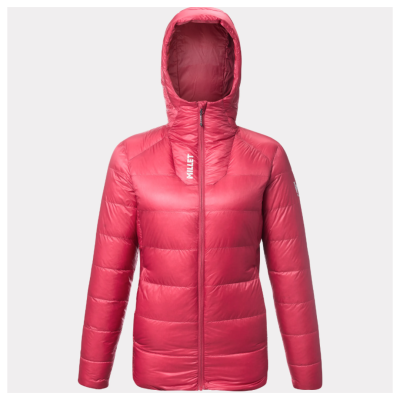
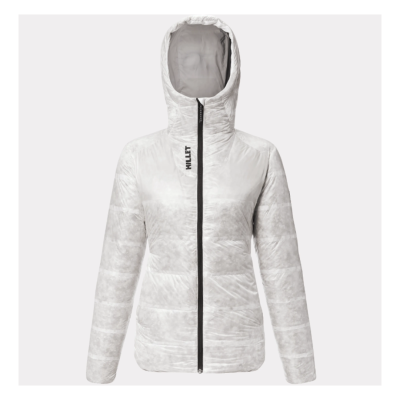
Ideal for insulated jackets, parkas, and sleeping bags; often used in very cold conditions.
Synthetic
- Common Types:
- Primaloft: Mimics down’s insulating properties while retaining warmth when wet. Lightweight and compressible.
- Thermolite: Offers good warmth and moisture management.
- Properties:
Water-resistant, quick-drying, and often less expensive than down. - Uses:
Frequently used in jackets and layers for wet or variable weather conditions.
Wool
- Properties:
Naturally insulating, moisture-wicking, and odor-resistant. - How It Works:
Wool fibers can absorb moisture while still providing warmth, making it effective for temperature regulation. - Uses:
Often found in base layers, sweaters, and vests for added warmth.
Related Products
Men’s Fleece Jacket


Women’s Fleece Jacket


Men’s Down Jacket
-
 Millet Trilogy Ultimate Down Jacket – Indian/Acid GreenRM 2,999.00
-
 Millet Kamet Down Hoodie Jacket – PaprikaRM 2,299.00
-
 Millet Kamet Down Hoodie Jacket – Bottle/BlackRM 2,199.00
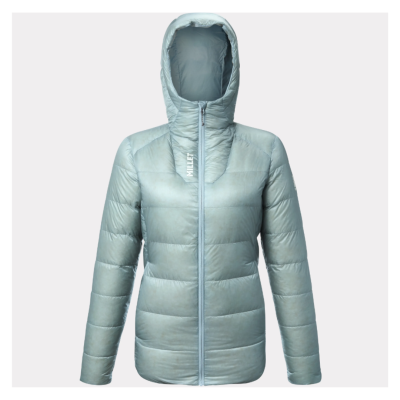
Women’s Down Jacket
What is an Outer Layer (Shell)?
In the winter layering system, the outer layer is typically referred to as the shell layer. This layer is designed to provide protection from external elements such as wind, rain, and snow. It also works in tandem with insulating and moisture-wicking layers beneath it to keep you warm and dry in winter conditions.
Key Features of the Outer Layer
- Waterproof/Breathable:
Many outer layers are made from materials that repel water while allowing moisture from sweat to escape. - Windproof:
This layer helps block cold winds to maintain warmth. - Durability:
It should be robust enough to withstand harsh conditions and abrasion. - Fit:
A good outer layer should fit well over the inner layers without being too tight, allowing for freedom of movement.
Materials used
Below are some common materials used in outer layer along with their properties and applications:
Gore-Tex
- Properties:
Waterproof, windproof, and breathable. - How It Works:
Gore-Tex uses a membrane with millions of tiny pores that are smaller than water droplets but larger than water vapor molecules, allowing moisture to escape while keeping water out. - Uses:
Ideal for high-performance jackets and footwear used in extreme weather conditions.
HyVent
- Properties:
Waterproof and breathable, developed by The North Face. - How It Works:
HyVent uses a polyurethane coating and a two-layer or three-layer construction to provide waterproofing while allowing some breathability. - Uses:
Commonly used in outdoor apparel for various activities.
DWR:
- Properties:
Increases water resistance. - How It Works:
DWR is a treatment applied to the fabric surface to cause water to bead up and roll off. It’s not fully waterproof but helps prolong the effectiveness of the shell material. - Uses:
Found on most shell jackets to enhance performance in light rain or snow.
Related Products
Men’s Hardshell Jacket
-
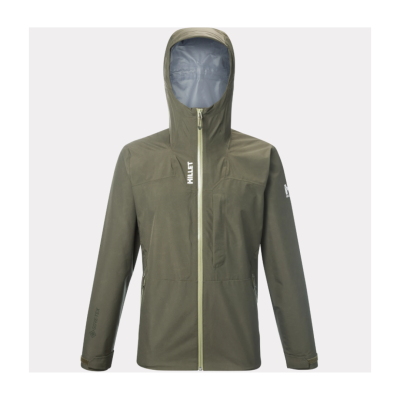 Millet Ubic Gtx Jkt (Men) – Grape LeafRM 1,899.00
-
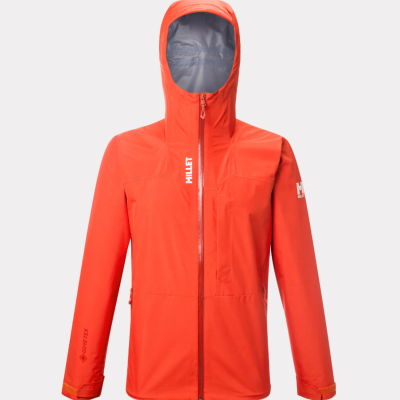 Millet Ubic Gtx Jkt (Men) – PaprikaRM 1,899.00
-
 Millet Kamet Gtx Jkt (Men) – Grape/LeafRM 2,349.00
Women’s Hardshell Jacket
-
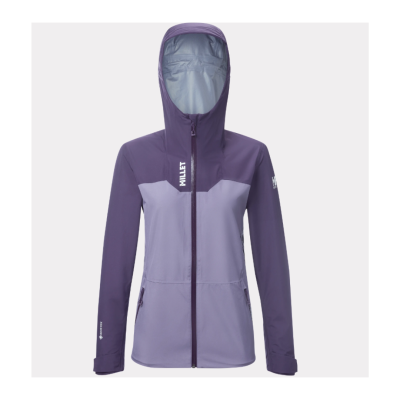 Millet Ubic Gtx Jkt (Women) – Starlink/PurpleRM 1,899.00
-
 Millet Kamet Gtx Jkt (Women) – Purple/Velvet (FW26)RM 2,349.00
-
Millet Kamet Gtx Jkt (Women) – Purple/VelvetRM 2,349.00
Conclusion
By incorporating the three-layer winter layering system, you can effectively regulate your body temperature, stay dry, and maintain comfort in diverse winter conditions. This layering system allows for adaptability, enabling you to adjust your outfit based on activity level and environmental changes.
Shop XNOCS
About Us
Contact Us
Store Location
FAQs
Points FAQ
Social Media Agreement
Membership
Track Your Order
Logout
Business Hours
Daily 10am to 7pm
Contact Info
Call: +603-2287-1118
Fax: +603-2287-1119
Email: customercare@xnocs.com
Shop Location
No.34 (Ground Floor),
Jalan Telawi 5,
59100 Bangsar Baru,
Kuala Lumpur.
Google Maps Location 
QR Code for Touch ‘n Go Payments

Hiking Shop Petaling Jaya Outdoor Shop Petaling Jaya Altra Lone Peak Deuter Backpack Kailas Fuga Topo Athletic Trail Running Shoes Tilley Hiking Hats and Caps Yamatune 5 toe compression socks Vibram FiveFingers KL Malaysia Trail Running Tips 10 Best Trail for Trail Running in Klang Valley How to Choose Hiking Shoes or Boots 10 Permit-Free Hiking Trails in Klang Valley Shoe Gaiters Teva Hiking Sandals Petzl Climbing Gears Crampons Yamatune socks Deuter Hiking Backpacks Day Hiking in Malaysia GPS watch for hiking Suunto GPS Watch for Hiking Suunto Race S Hiking GPS Watch Victorinox Swiss Army Knife Developed by Dennis Woo

© XNOCS — Owned by Yellowstone Sdn Bhd. (772432-A). All Rights Reserved
X

